Child Learning Through Fun Activities

Children learn most effectively when education is combined with enjoyment. Fun and engaging experiences encourage curiosity, participation, and a willingness to explore new ideas. Well-designed Child Learning Activities can transform ordinary lessons into memorable experiences that support intellectual, emotional, and social development. By making learning enjoyable, parents and educators can help children build important skills while maintaining enthusiasm for discovery.
Why Fun Activities Improve Child Learning
Playful and interactive experiences create an environment where children feel motivated to participate and learn. These activities help transform complex concepts into engaging experiences that are easier to understand and remember.
The connection between play and knowledge retention
Play helps children process and retain information more effectively. When learning is associated with enjoyment, the brain is more likely to store and recall information. Interactive experiences create meaningful connections that strengthen memory and understanding.
Encouraging active participation in learning
Active involvement helps children become participants rather than passive observers. Through hands-on activities, discussions, and creative tasks, children engage with concepts directly. This involvement often leads to deeper comprehension and greater confidence.
Making education more enjoyable and engaging
Children are naturally drawn to activities that spark interest and excitement. Incorporating fun elements into learning reduces boredom and encourages sustained attention. As a result, educational experiences become more rewarding and effective.
Creative Activities For Skill Development
Creative learning experiences support the development of a wide range of abilities. They encourage children to think independently, communicate effectively, and collaborate with others.
Activities that improve communication and language skills
Storytelling, role-playing, reading games, and group discussions help children strengthen language abilities. These activities expand vocabulary, improve listening skills, and encourage clear expression of thoughts and ideas.
Building problem-solving abilities through interactive tasks
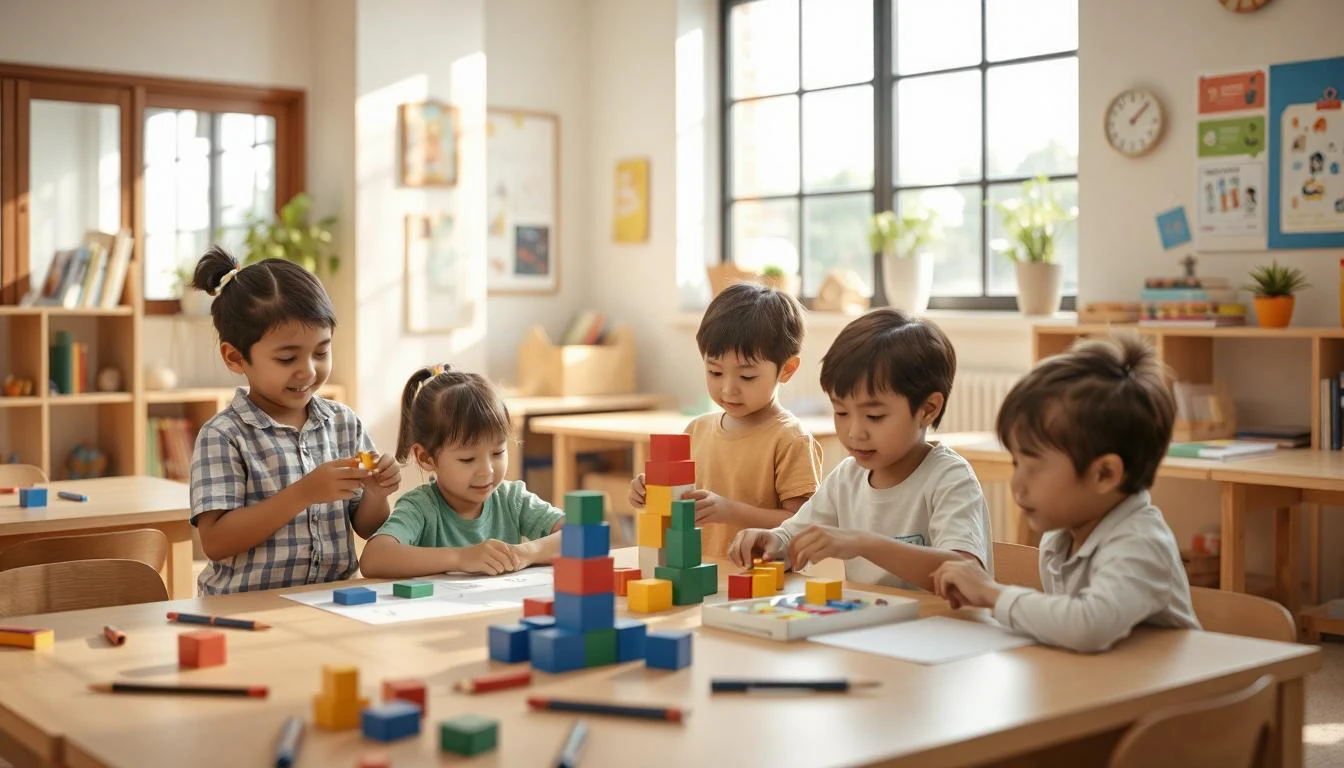
Interactive challenges encourage children to analyze situations, make decisions, and find solutions. Puzzles, building projects, and age-appropriate experiments promote logical thinking while nurturing creativity and persistence.
Encouraging teamwork and social interaction
Group activities teach children how to cooperate, share responsibilities, and communicate effectively. Collaborative projects help develop interpersonal skills while fostering respect, empathy, and a sense of community.
Creating Effective Learning Experiences At Home
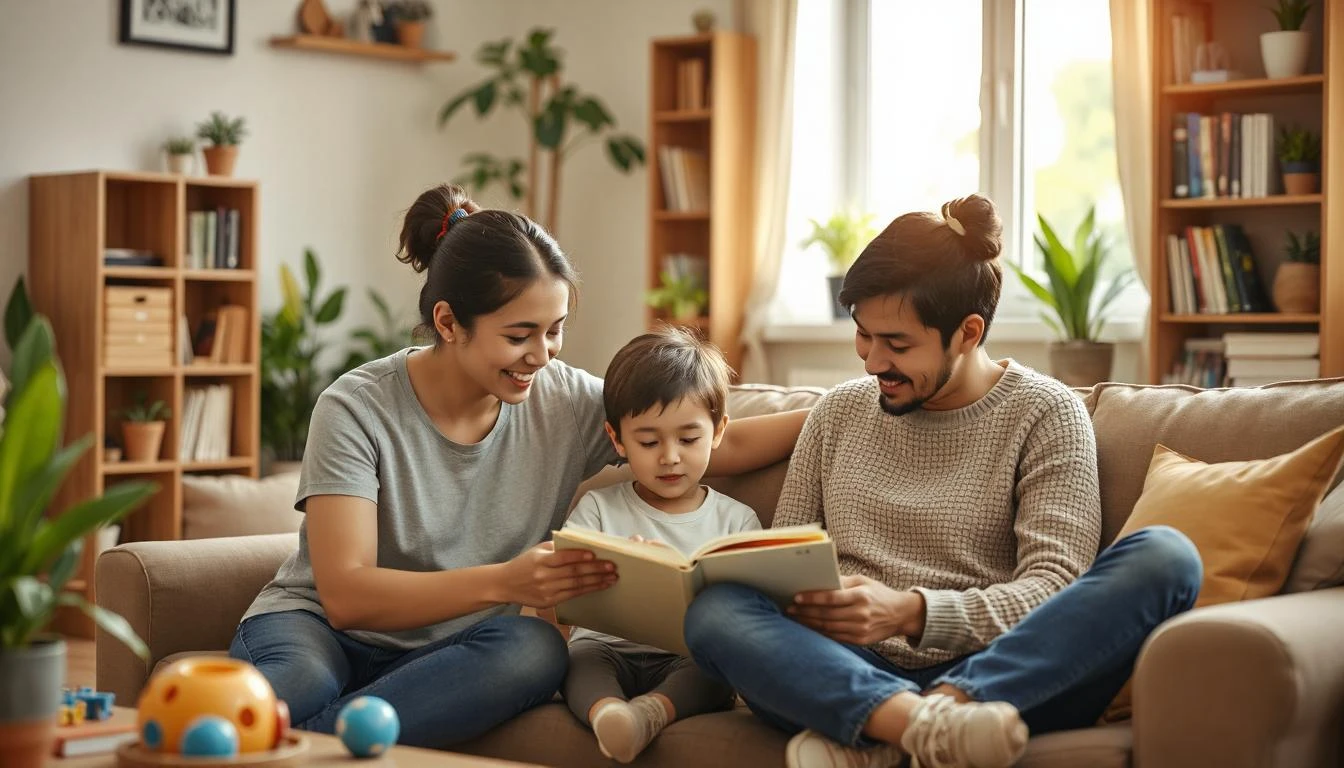
Home environments provide valuable opportunities for meaningful learning. With thoughtful planning, parents can create engaging educational experiences that complement classroom instruction.
Organizing structured yet enjoyable learning sessions
A balanced approach combines organization with flexibility. Setting aside dedicated learning time while incorporating enjoyable activities helps maintain focus without making learning feel restrictive. Consistency also supports positive learning habits.
Adapting activities to individual learning needs
Every child learns differently. Some children respond well to visual materials, while others prefer hands-on experiences or verbal instruction. Tailoring activities to individual strengths can improve engagement and learning outcomes.
Maintaining motivation through variety and creativity
Variety keeps learning fresh and exciting. Incorporating arts and crafts, storytelling, outdoor exploration, and Educational games for children helps maintain interest while exposing children to different learning methods. Creative approaches encourage continued participation and curiosity.
Inspire Better Learning Through Fun And Interactive Activities Today
Fun activities play an essential role in helping children develop knowledge, confidence, and important life skills. By combining education with creativity, interaction, and enjoyment, parents and educators can create enriching learning experiences that inspire lifelong curiosity. Meaningful activities not only support academic growth but also make learning a rewarding and memorable journey.