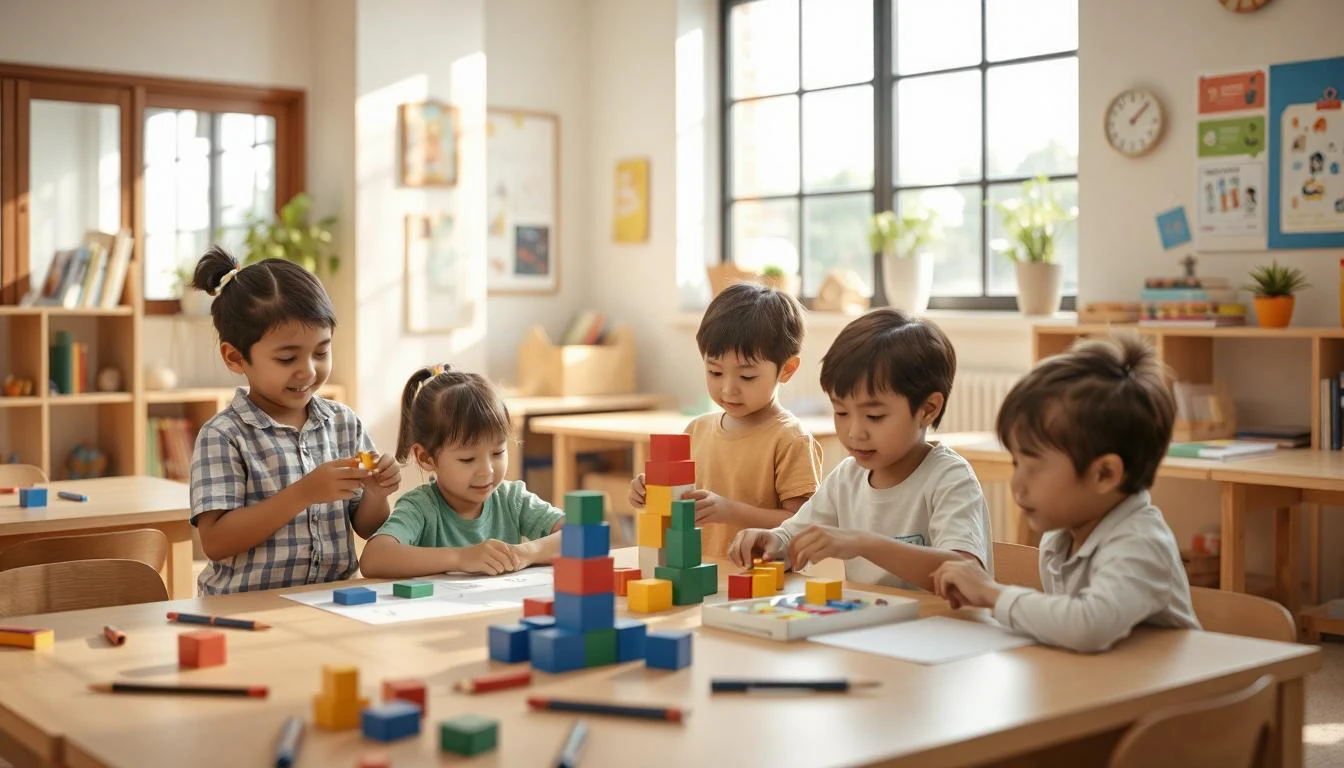
Educational Games For Child Learning
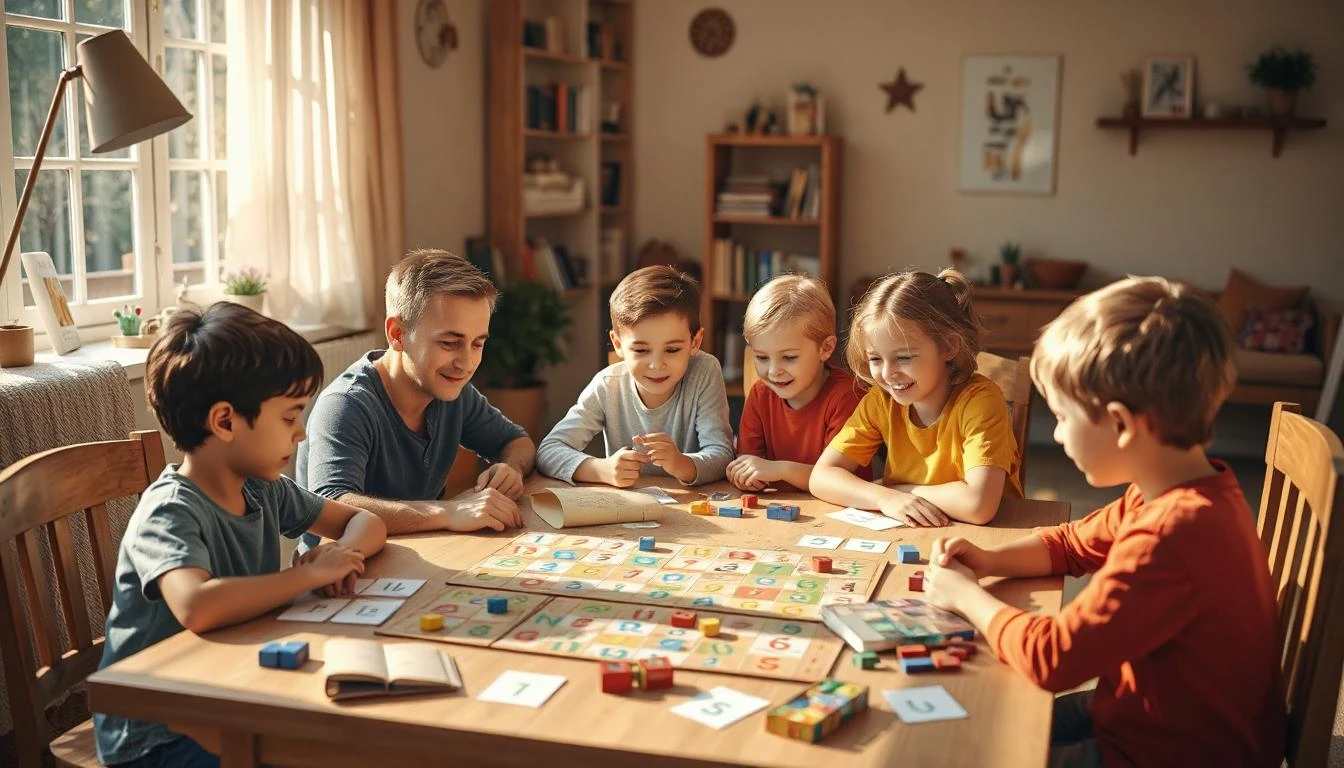
Learning becomes far more effective when children are actively engaged and enjoying the process. Educational games combine entertainment with skill development, creating experiences that encourage curiosity, exploration, and knowledge retention. Through Educational Games Learning, children can strengthen academic abilities while developing important social and cognitive skills. When thoughtfully selected, these games transform learning into an enjoyable adventure rather than a routine task.
Understanding The Benefits Of Educational Games
Educational games offer a dynamic approach to learning by combining play with meaningful educational objectives. They help children stay motivated while building a variety of essential skills.
How games enhance learning and engagement
Games capture children's attention through challenges, rewards, and interactive experiences. This heightened engagement often improves concentration and encourages active participation. As a result, children are more likely to absorb information and retain new concepts over time.
Developing critical thinking through play
Many educational games require children to analyze situations, make decisions, and solve problems. These activities strengthen critical thinking abilities by encouraging logical reasoning and strategic planning. Through repeated practice, children learn to approach challenges with greater confidence and creativity.
Building confidence with interactive learning experiences
Success within educational games can boost a child's self-esteem and motivation. Completing tasks, overcoming obstacles, and achieving goals provide a sense of accomplishment that encourages continued learning. Positive experiences help children develop confidence in their abilities.
Choosing The Right Educational Games
Not all educational games provide the same benefits. Selecting games that align with a child's developmental needs and learning goals can maximize their educational value.
Matching games to developmental stages
Children at different ages have unique learning needs and abilities. Younger learners may benefit from simple matching games and basic puzzles, while older children often enjoy strategy-based activities that require deeper thinking. Age-appropriate games ensure learning remains both effective and enjoyable.
Balancing entertainment with educational value
An effective educational game should be both engaging and informative. While entertainment helps maintain interest, educational content should remain the primary focus. The best games seamlessly integrate learning objectives into enjoyable gameplay.
Encouraging collaboration and communication skills
Many games provide opportunities for teamwork and social interaction. Cooperative activities encourage children to share ideas, solve problems together, and communicate effectively. These experiences support the development of valuable interpersonal skills.
Integrating Games Into Everyday Learning
Educational games can be incorporated into daily routines to reinforce learning and create enjoyable educational experiences. Consistent use helps children connect knowledge with practical application.
Using games to reinforce academic concepts
Games can strengthen understanding of subjects such as mathematics, language arts, science, and history. By presenting concepts in an interactive format, children can practice skills repeatedly without feeling overwhelmed by traditional study methods.
Supporting independent and group learning activities
Educational games offer flexibility for both individual and collaborative learning. Independent activities help children build self-reliance, while group experiences encourage teamwork and shared problem-solving. Both approaches contribute to balanced development.
Creating meaningful learning opportunities through play
Play-based learning encourages exploration and discovery. Well-designed Interactive educational activities help children connect classroom concepts to real-world situations, making learning more relevant and memorable.
Make Learning More Enjoyable With Educational Games
Educational games provide an effective way to combine learning and fun. By selecting age-appropriate games, encouraging collaboration, and integrating play into daily learning routines, parents and educators can create enriching educational experiences. These engaging activities help children develop important skills while fostering a lifelong enthusiasm for learning.